Professor

Hany   Abdel   Gawwad

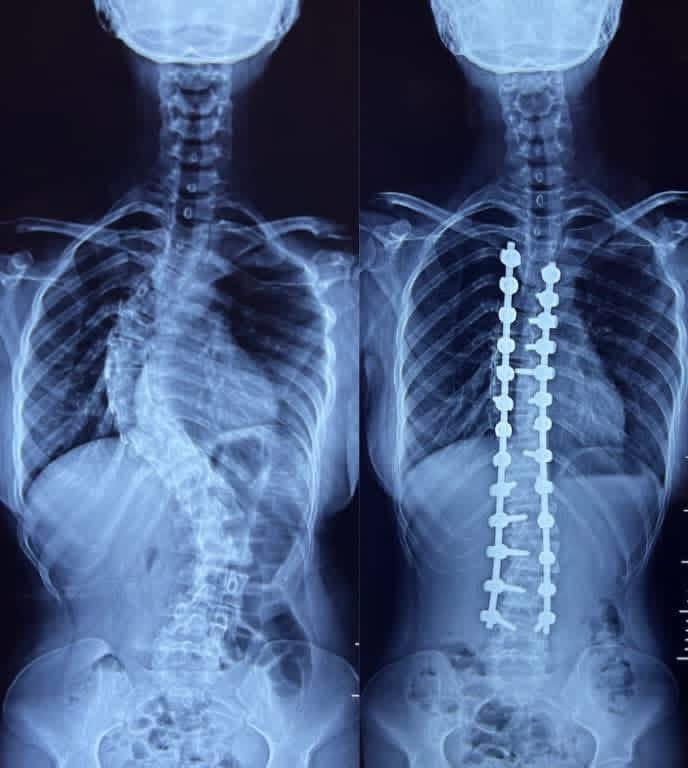
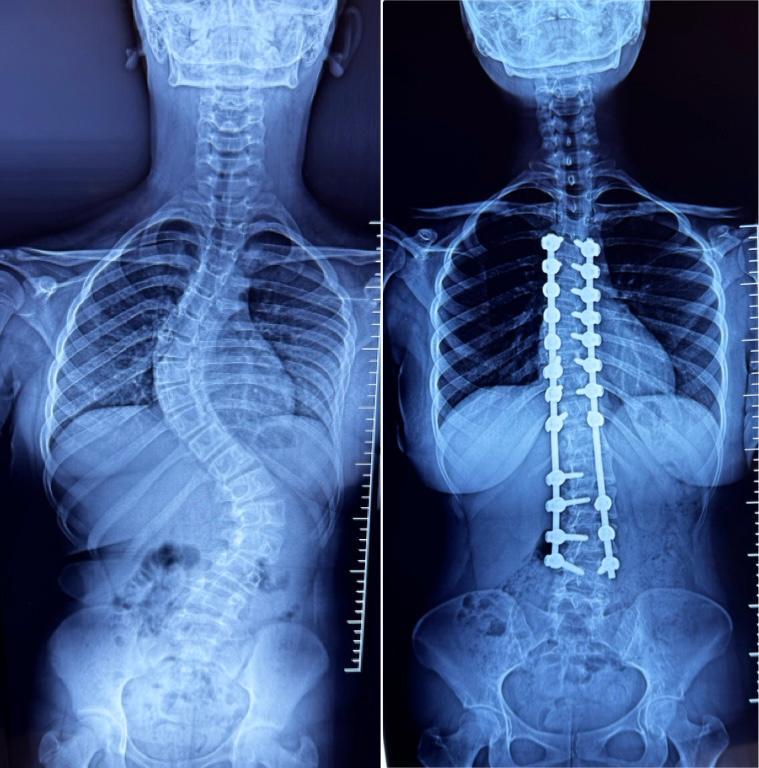
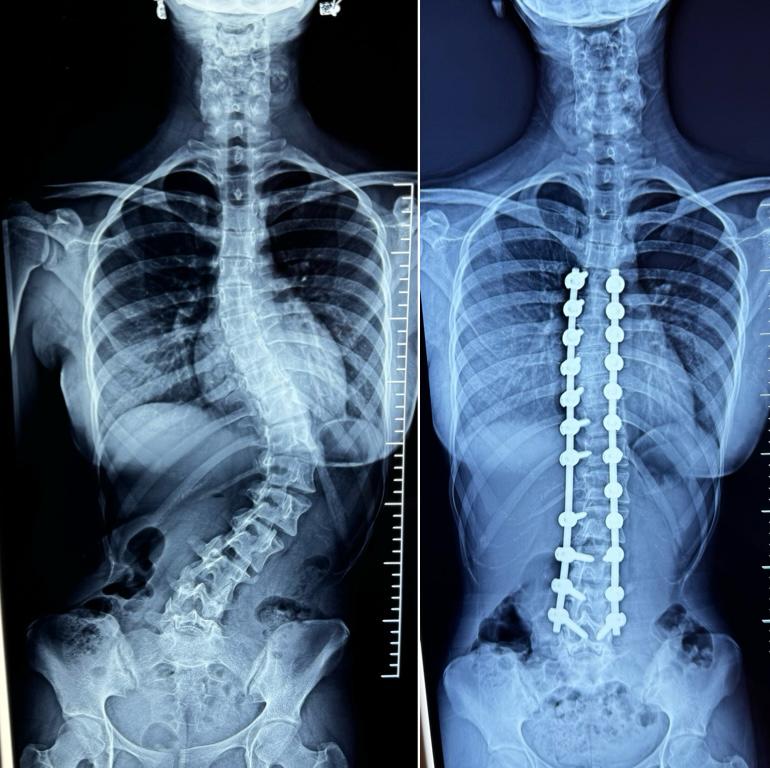
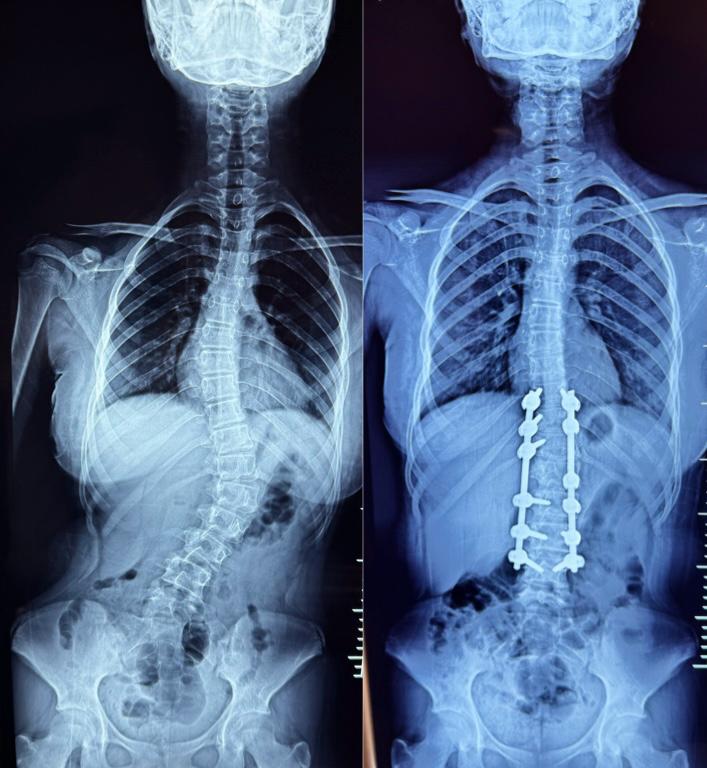
Scoliosis Correction Surgeries

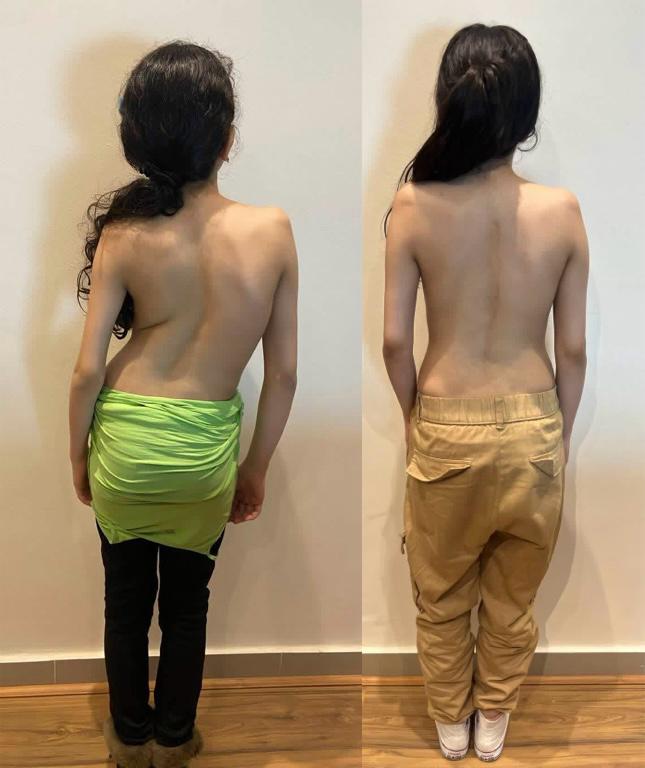
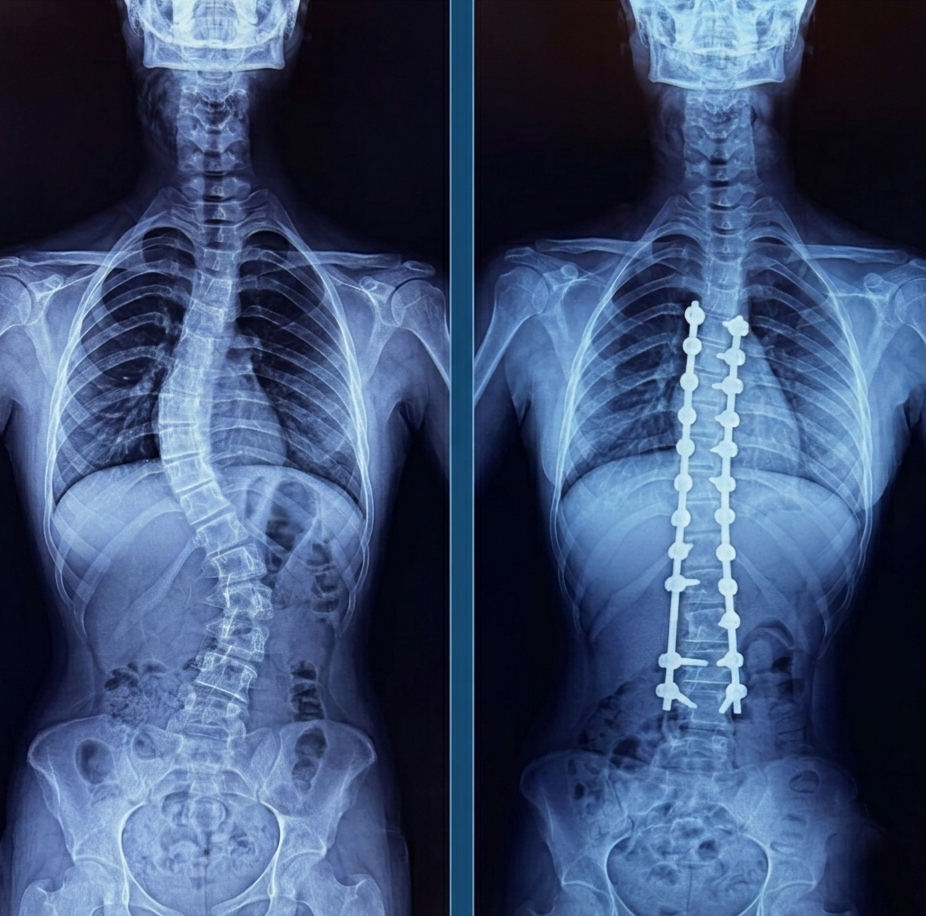
Scoliosis is a three-dimensional deformity of the spine, characterized by abnormal sideways curvature and vertebral rotation. It can affect children during growth or develop later in adults, leading to visible asymmetry in the back, shoulders, and chest.


While mild cases may go unnoticed, progressive scoliosis can cause significant deformity, pain, and, in severe cases, impact breathing and overall function.


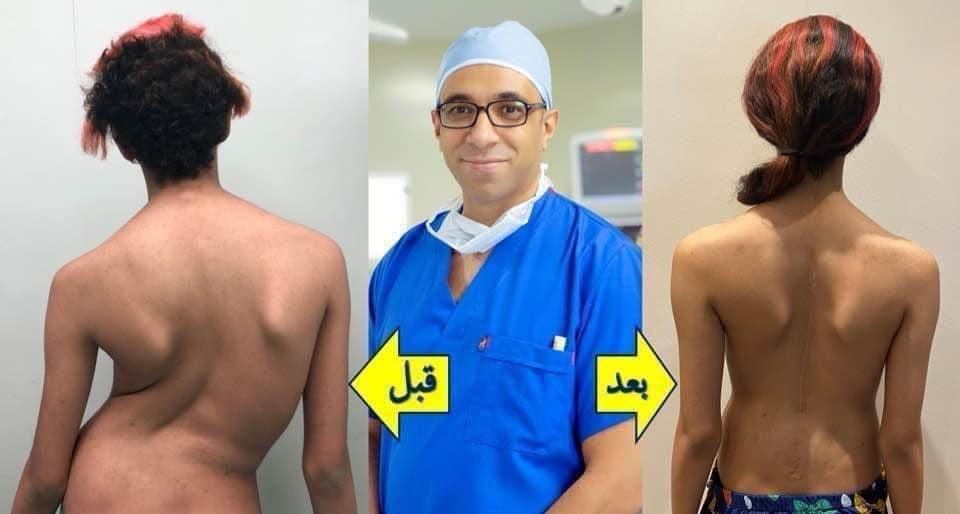
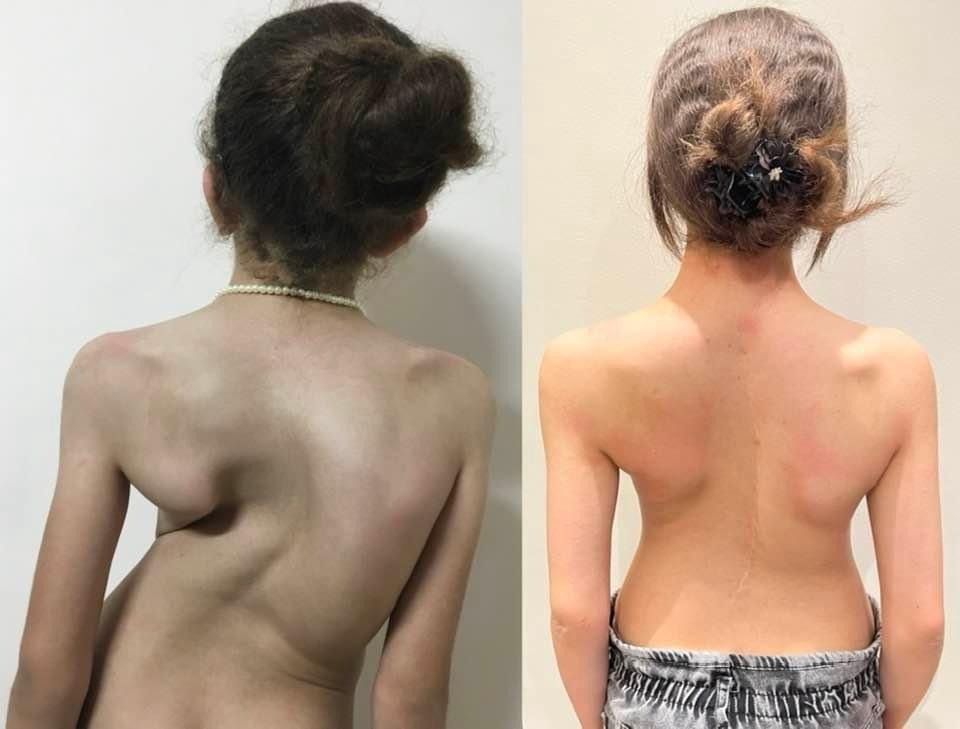
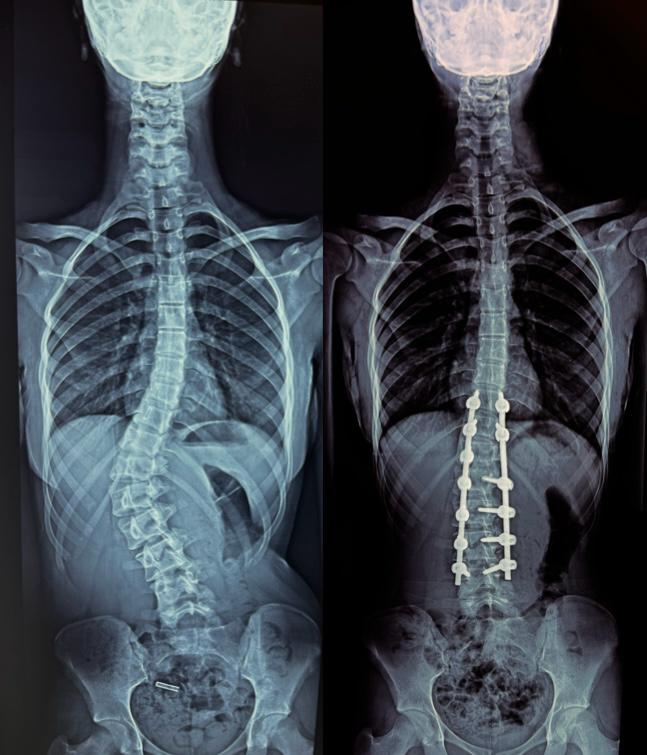
Today, with advanced diagnostic tools and modern surgical techniques, scoliosis can be effectively treated. The goal is not only to correct the spine, but to restore balance, improve appearance, and give patients the confidence to live a normal, active life.

Types of Scoliosis

  • Idiopathic Scoliosis
  • The most common type, with no clearly identifiable cause. It typically develops during adolescence.

  • Congenital Scoliosis
  • Present from birth, resulting from abnormal formation of the vertebrae during fetal development.

  • Neuromuscular Scoliosis
  • Occurs in patients with neurological or muscular conditions that affect spinal balance and control.

  • Syndromic Scoliosis
  • Associated with genetic or hereditary conditions, such as neurofibromatosis.

  • Degenerative (Adult) Scoliosis
  • Develops later in life due to age-related wear and tear of the spine, discs, and joints.

Common Beliefs about Scoliosis

  • Poor posture causes scoliosis
  • This is a common but incorrect belief. Poor posture may lead to back pain or temporary postural changes, but it does not cause true structural scoliosis.

  • Using a mobile phone or computer causes curvature
  • Prolonged use of electronic devices may result in neck and back discomfort, but it does not lead to spinal deformity.

  • Carrying heavy school bags causes scoliosis
  • Heavy bags can cause muscle strain and back pain, but they do not cause scoliosis.

  • Sleeping in the wrong position causes scoliosis
  • There is no sleeping position that can cause a true spinal curvature.

  • All scoliosis cases require surgery
  • This is not true. Most cases do not require surgery and can be managed with observation or bracing.

  • Exercise can cure scoliosis
  • Exercise is important for overall health and muscle strength, but it does not correct scoliosis in most cases.

  • Scoliosis always causes severe pain
  • In many cases, especially in children and adolescents, scoliosis may not cause any pain at all.

  • Scoliosis is only a cosmetic issue
  • In mild cases, the impact may be mainly cosmetic. However, in more severe cases, it can affect body balance and, in some instances, lung function and breathing.

  • Scoliosis cannot be treated after adulthood
  • Scoliosis can be treated at any age, although treatment options vary depending on the patient’s age and the severity of the curve.

  • Surgery makes the spine completely rigid
  • Surgical treatment focuses on correcting the deformed segment of the spine. Most patients are able to return to normal life and resume their daily activities after recovery.
FAQ about Scoliosis

Scoliosis is an abnormal lateral curvature of the spine, which may be accompanied by rotation of the vertebrae, resulting in an imbalance in the shape of the back or shoulders.

The most common type is idiopathic scoliosis, which often appears during adolescence without a clear cause.

In most cases, there is no clear cause, but scoliosis may result from: • Congenital vertebral deformities • Neurological or muscular diseases • Genetic diseases • Degenerative changes in the spine in adults

Common symptoms include: • Uneven shoulders • One side of the rib cage protruding • Leaning to one side • Uneven waistline • Changes in the shape of the back

In many cases, especially in children and adolescents, scoliosis may not cause pain. However, in some advanced cases or in adults, it can cause back pain.

Yes, especially during periods of rapid growth in childhood and adolescence. Therefore, early diagnosis and follow-up are important.

Diagnosis is made through: • Clinical examination • X-rays to measure the degree of curvature • Sometimes, MRI is used in certain cases.

Yes, it can be noticed by uneven shoulders or a protrusion of one side of the back when bending forward.

No, poor posture may lead to back pain or a temporary curvature of the spine, but it does not cause true scoliosis.

Excessive mobile phone use may cause neck or back pain, but it does not cause scoliosis.

Yes, in many cases, monitoring or the use of braces during the growth period may suffice.

Surgery may be recommended when: • The degree of curvature is severe • The curvature continues to worsen • The curvature causes problems with balance or breathing

The surgery aims to: • Correct the curvature • Restore spinal balance • Prevent the deformity from worsening • Improve both appearance and function

Like any major surgery, it carries some risks, but with modern techniques and surgical expertise, these risks can be significantly reduced.

The duration of the procedure varies depending on the degree of curvature, but it usually takes two to three hours.

Most patients can gradually return to daily activities within weeks, while full recovery may take several months.

Yes, in most cases, the patient begins walking a few days after surgery.

After full recovery, most sports activities are permitted, and the doctor will determine the appropriate timing.

In most cases, surgical correction is permanent, and the curvature does not recur.

In very severe cases, scoliosis can affect the lungs and respiratory function.

Genetics may play a role in some cases, but children are not necessarily affected if one parent has scoliosis.

Yes, most patients can lead a normal life after appropriate treatment.

In some cases, scoliosis correction may lead to a slight increase in height due to the straightening of the spine.

It is advisable to see a doctor if you notice: • Uneven shoulders • A hunched back • One side of the rib cage protrudes

Our Video

Schedule an Appointment