Kyphoscoliosis Correction surgeries
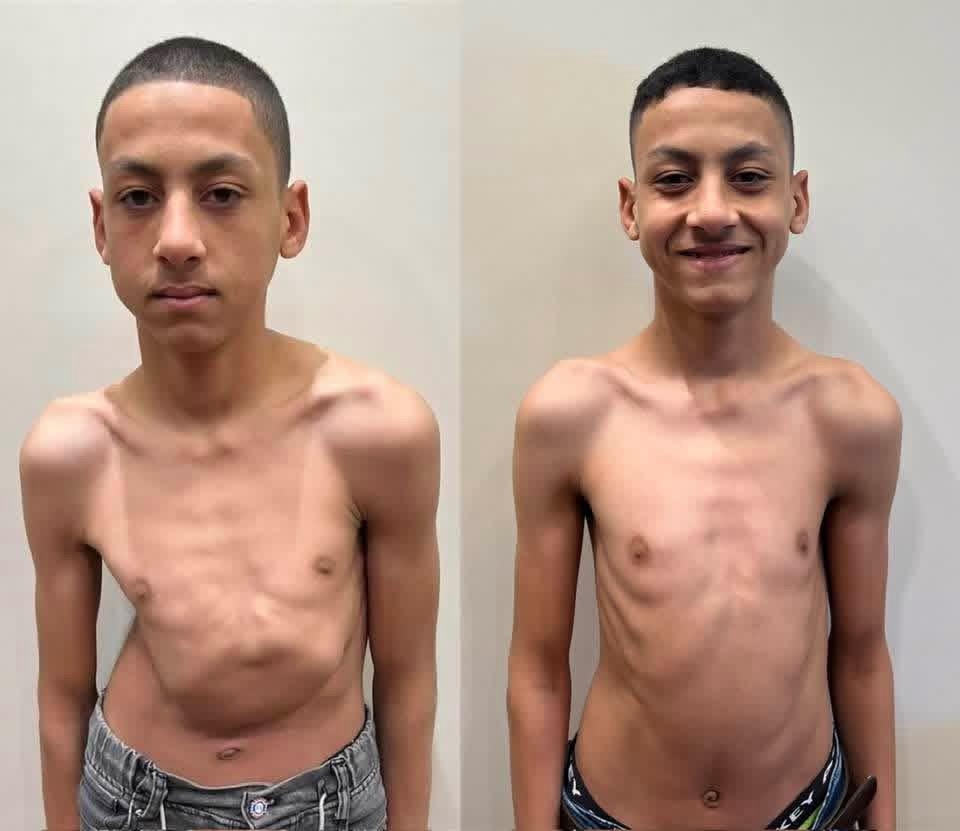
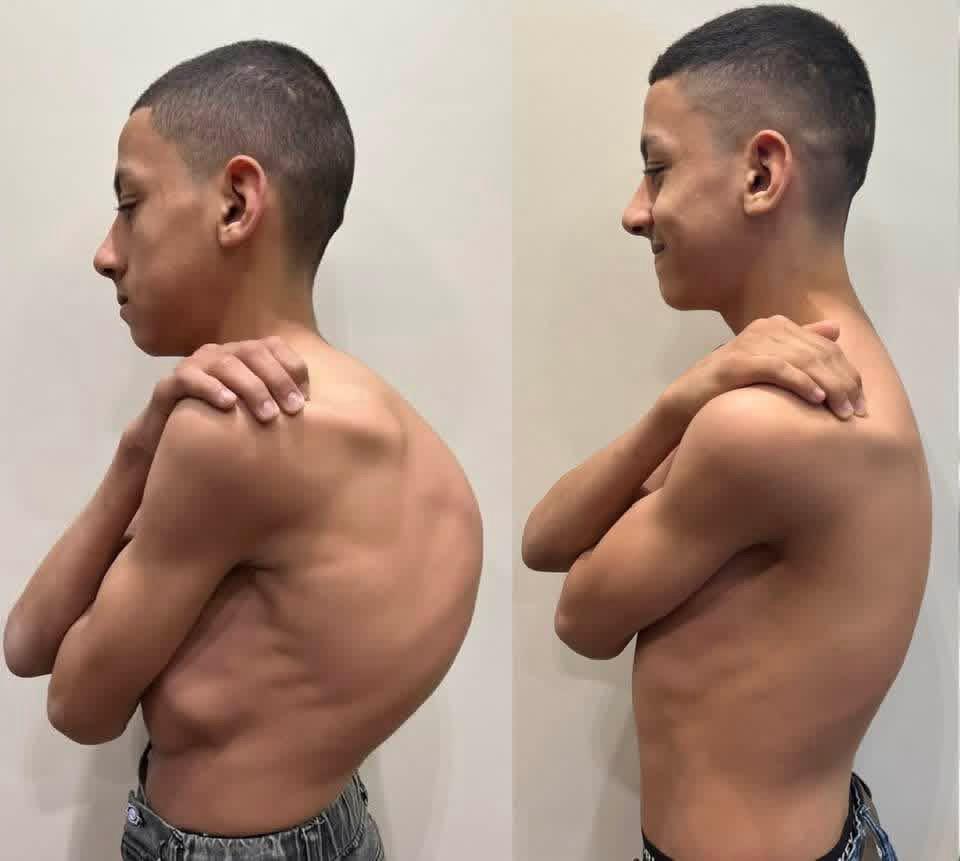
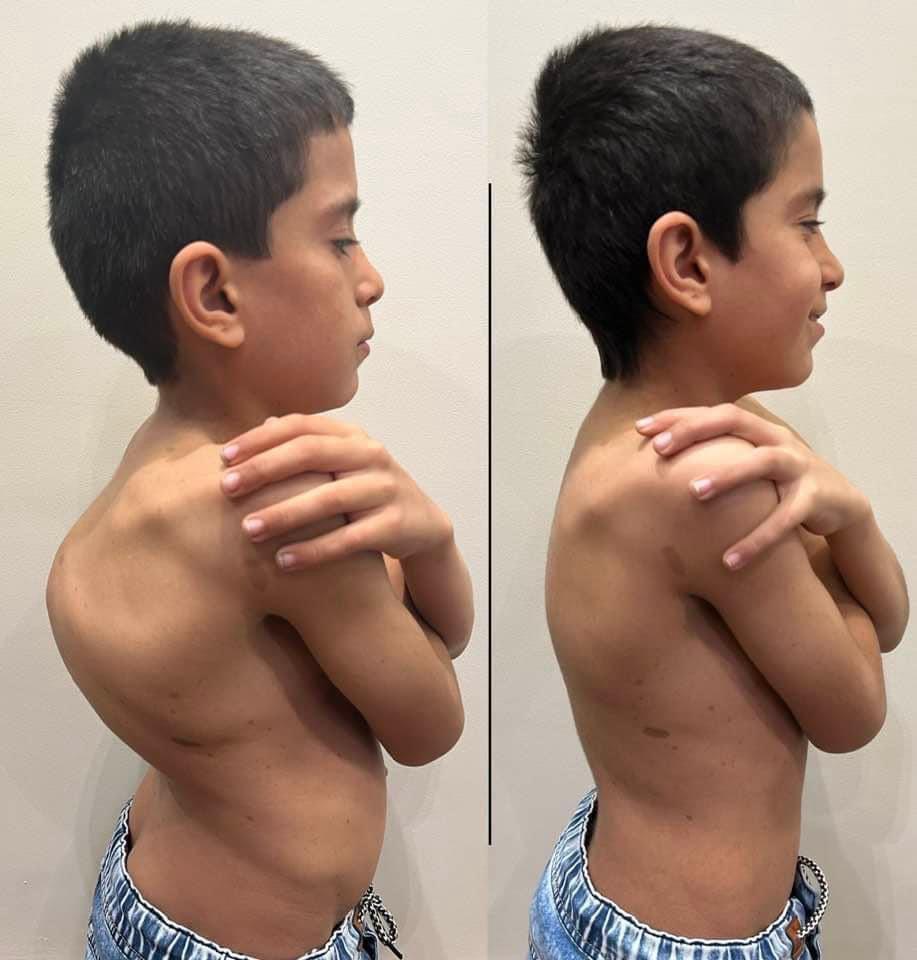
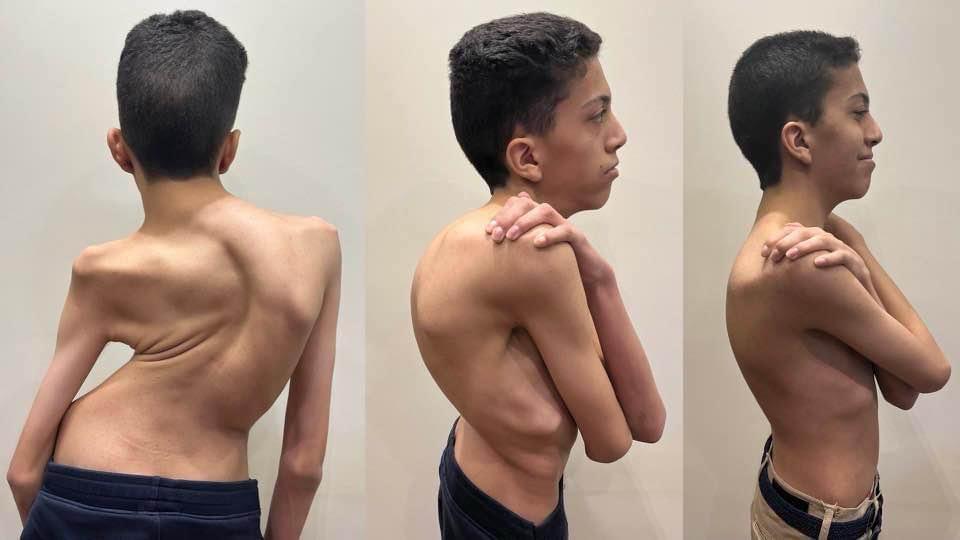
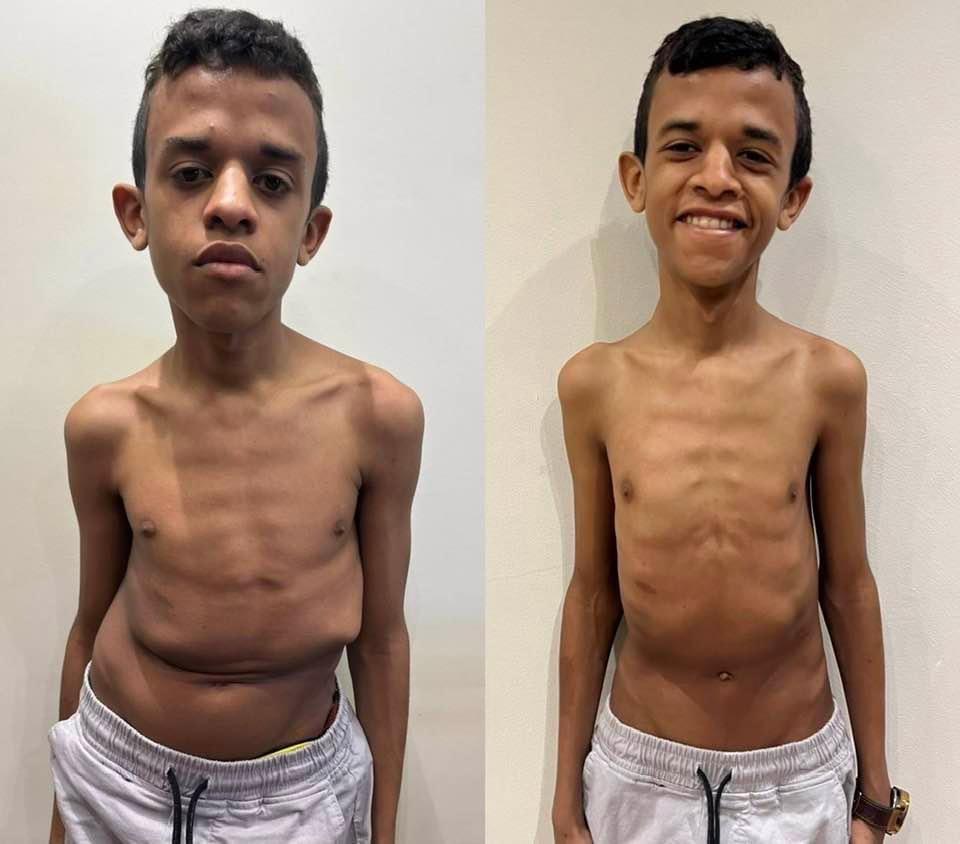
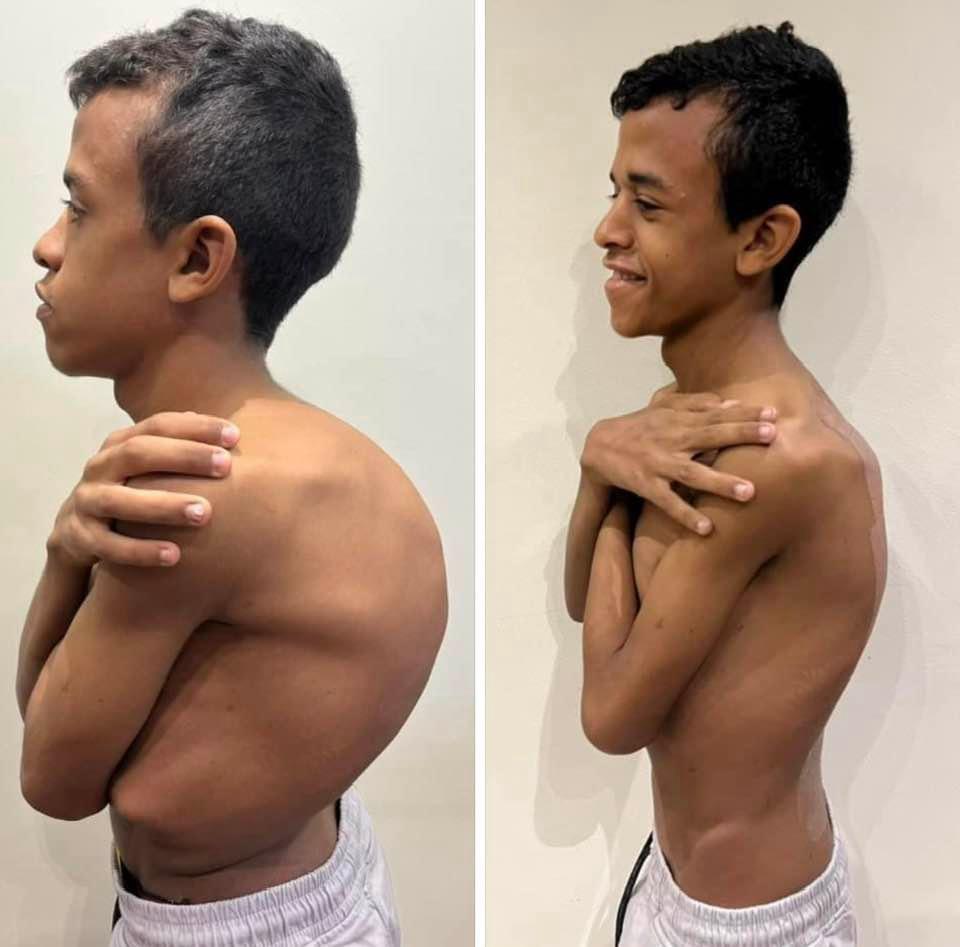
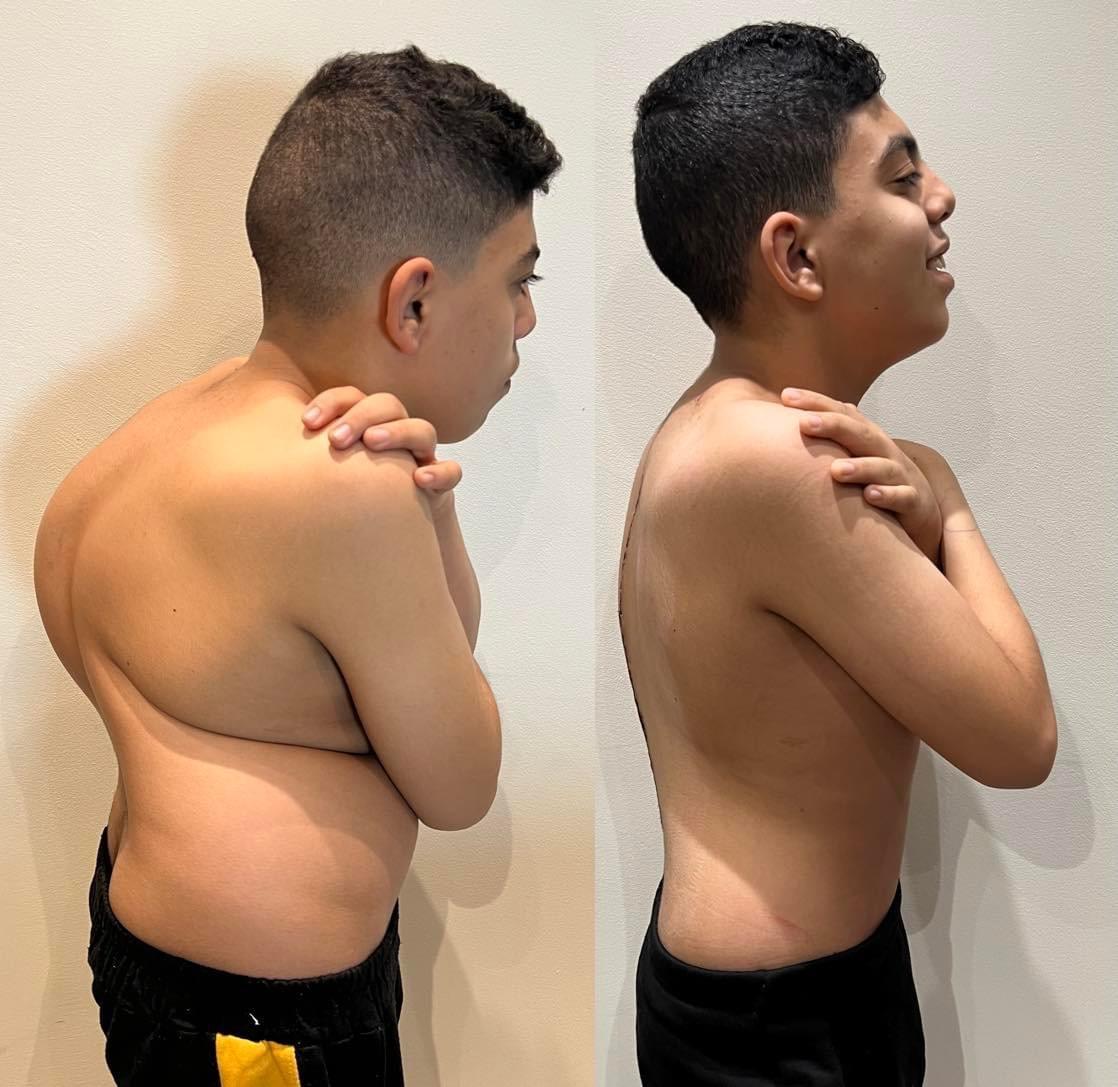
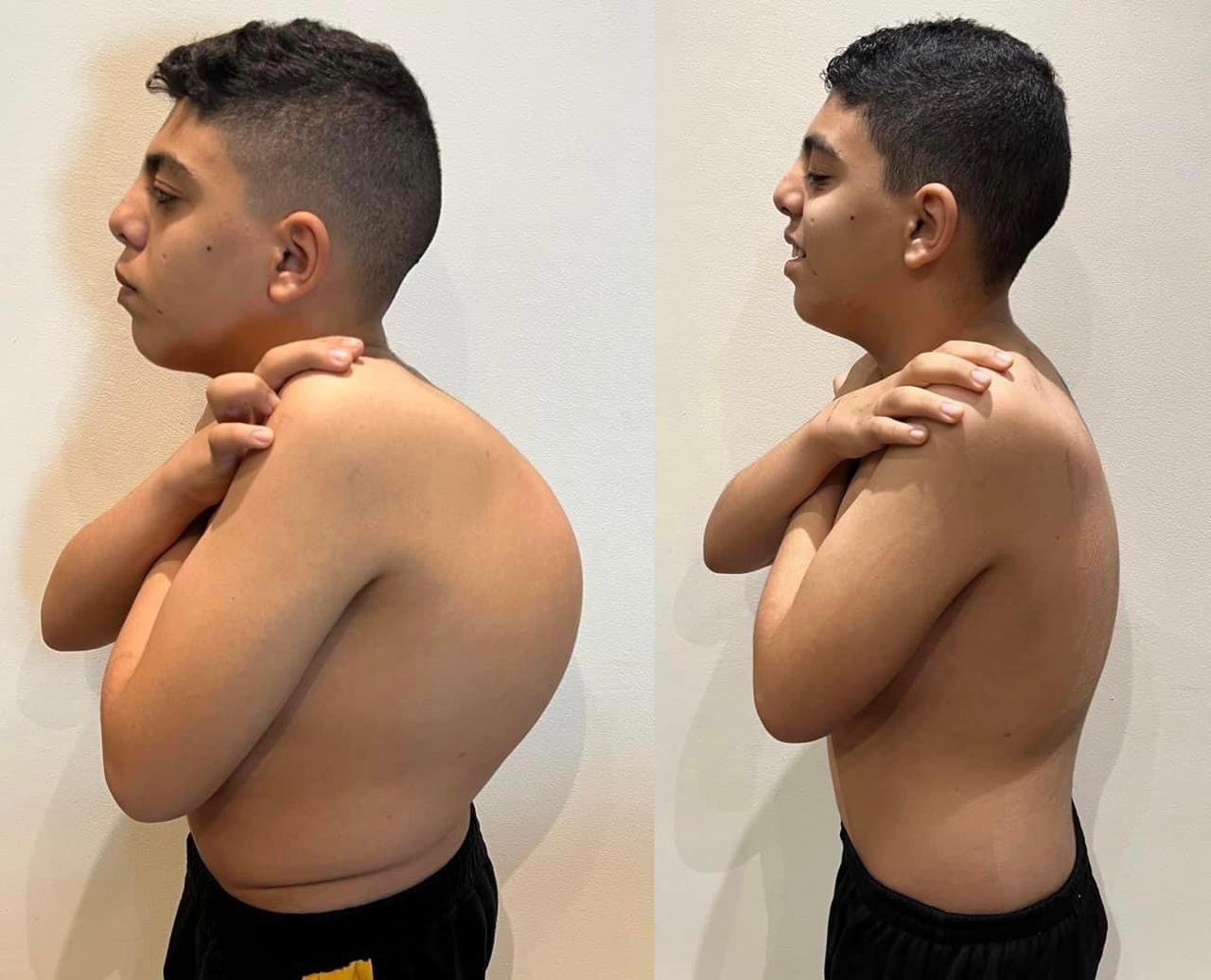
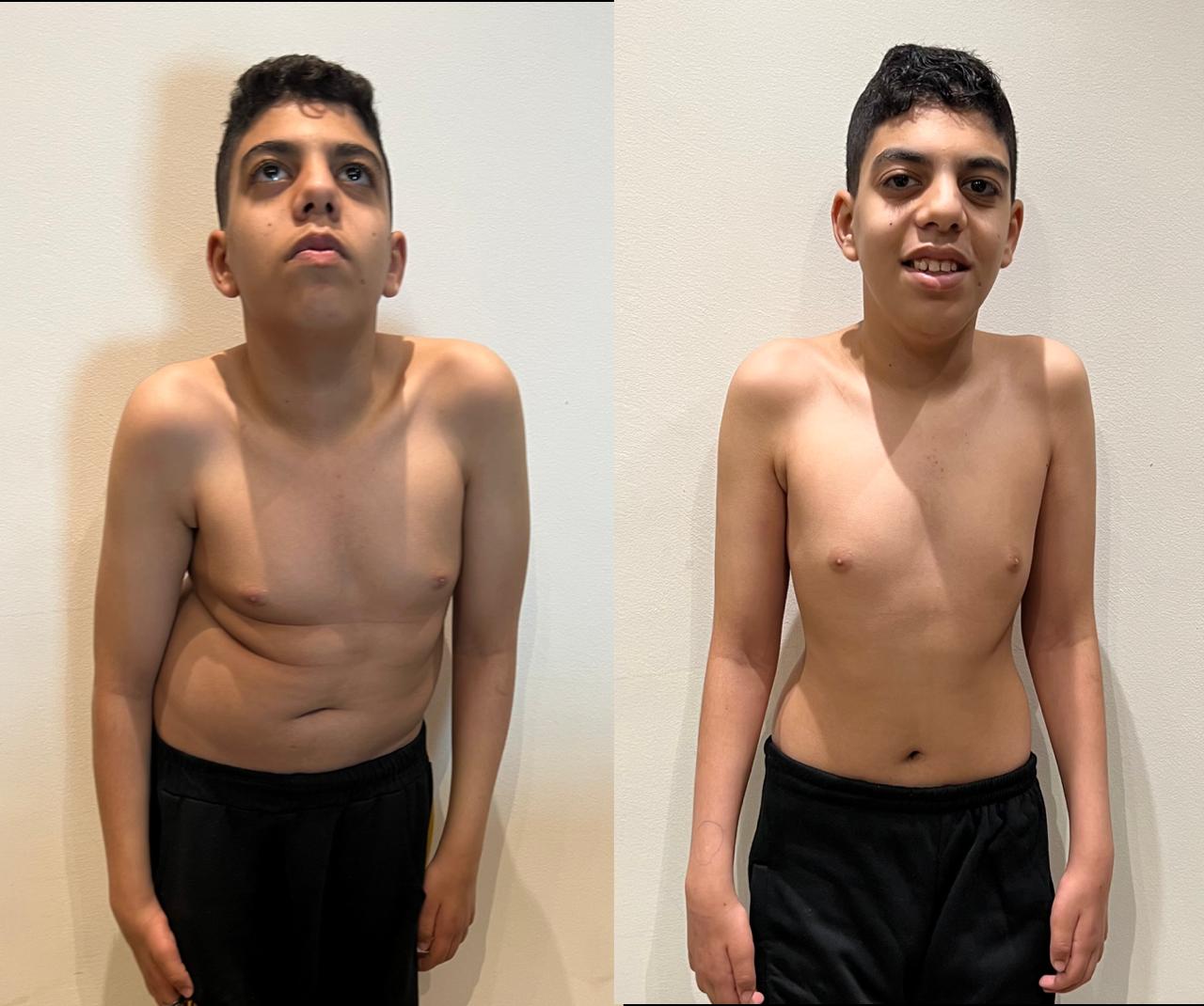
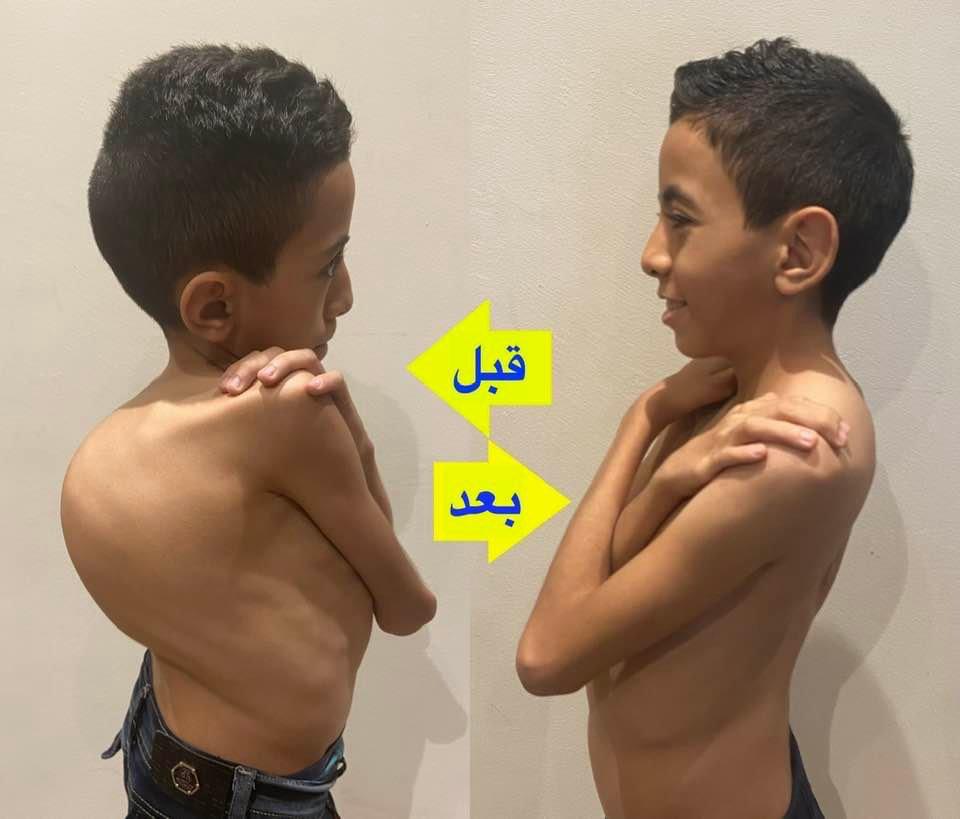
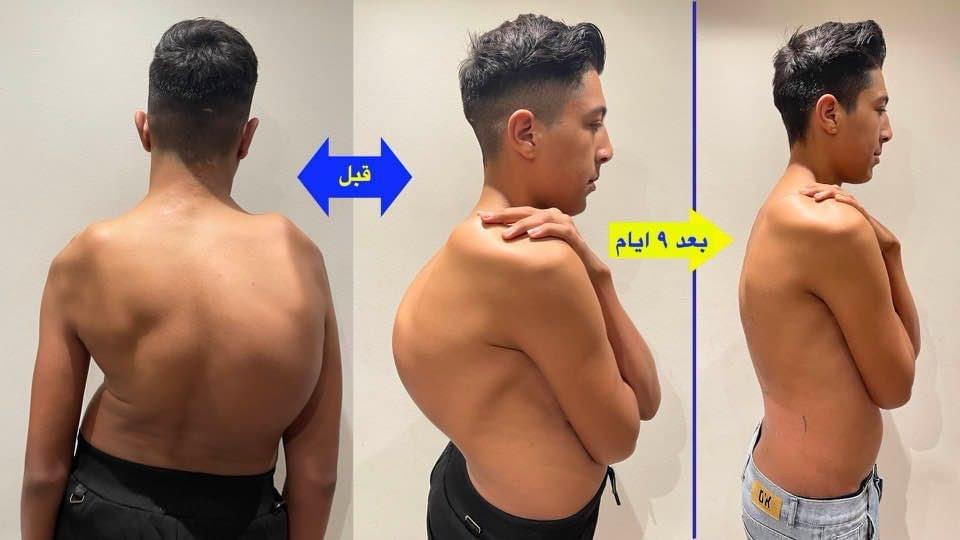
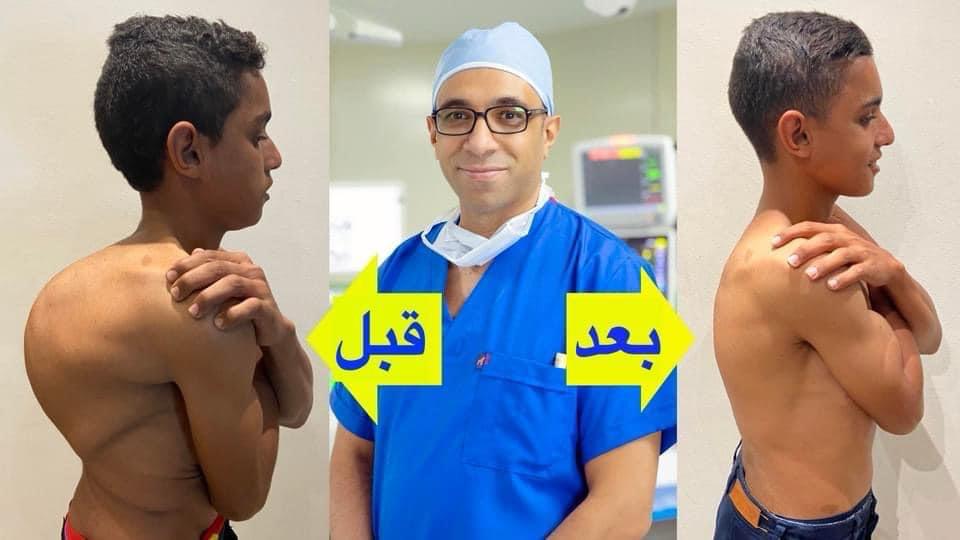
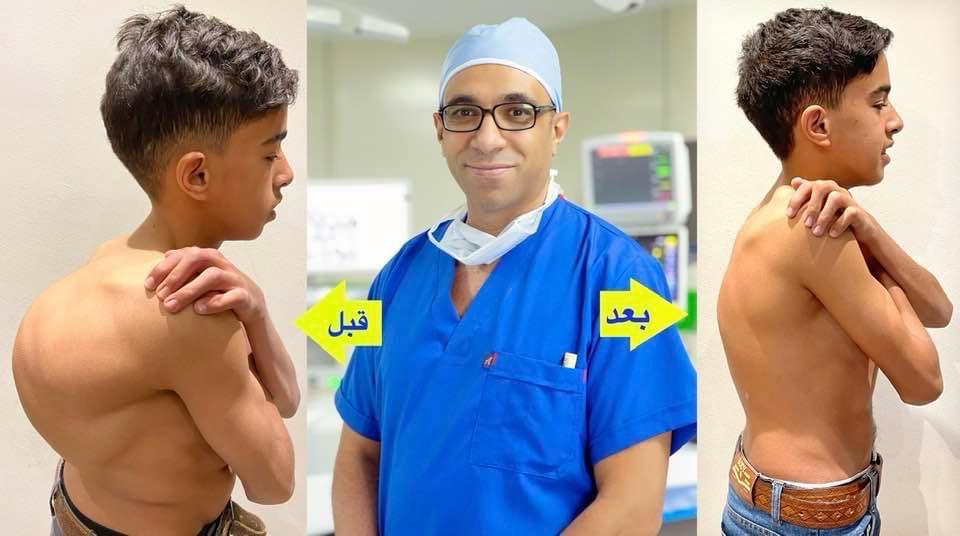
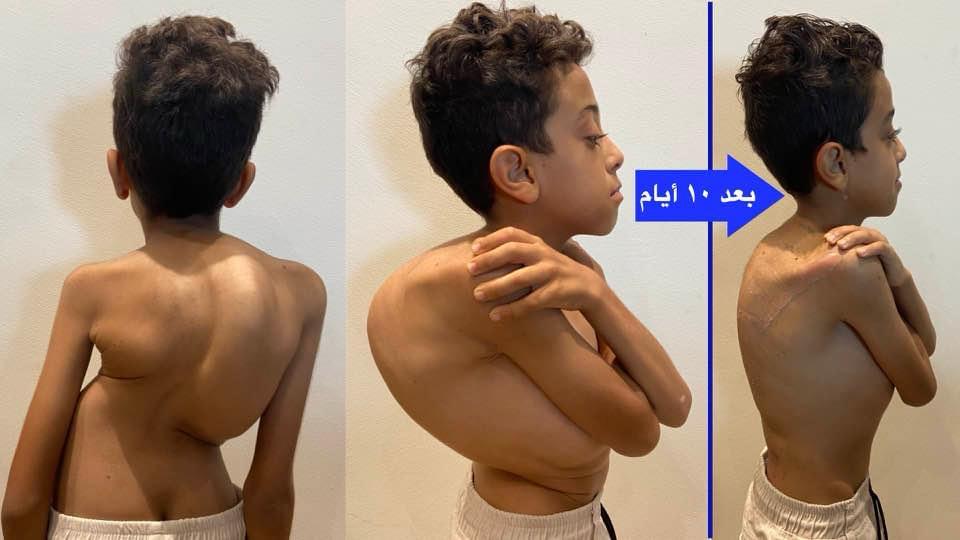
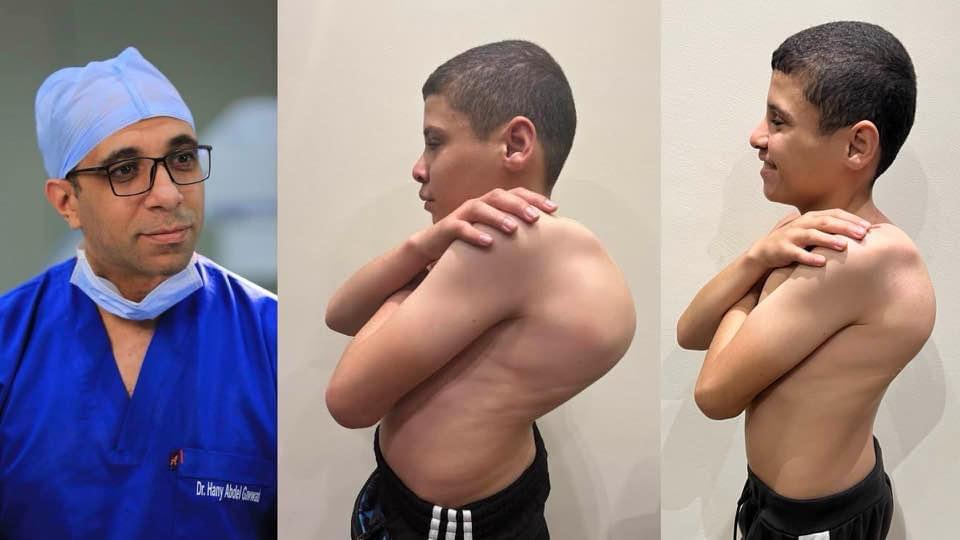
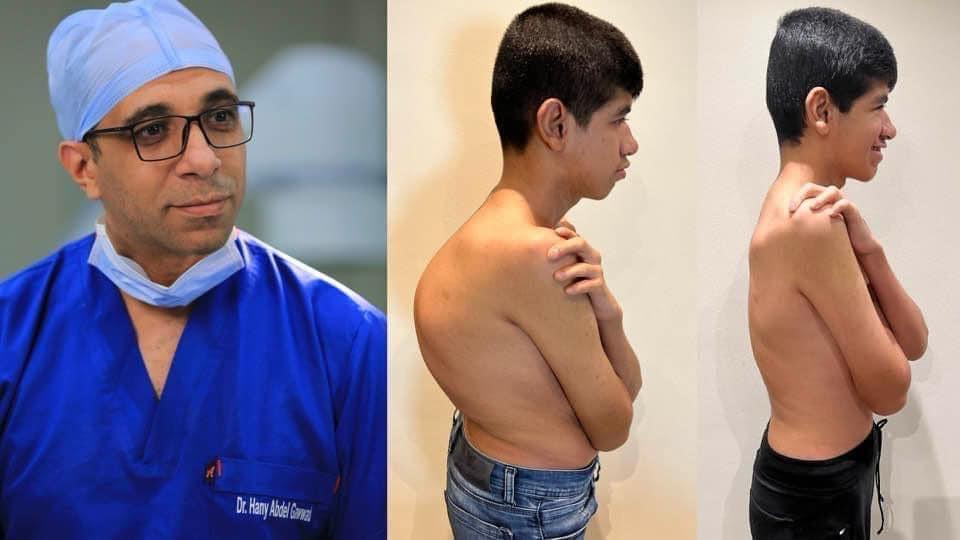
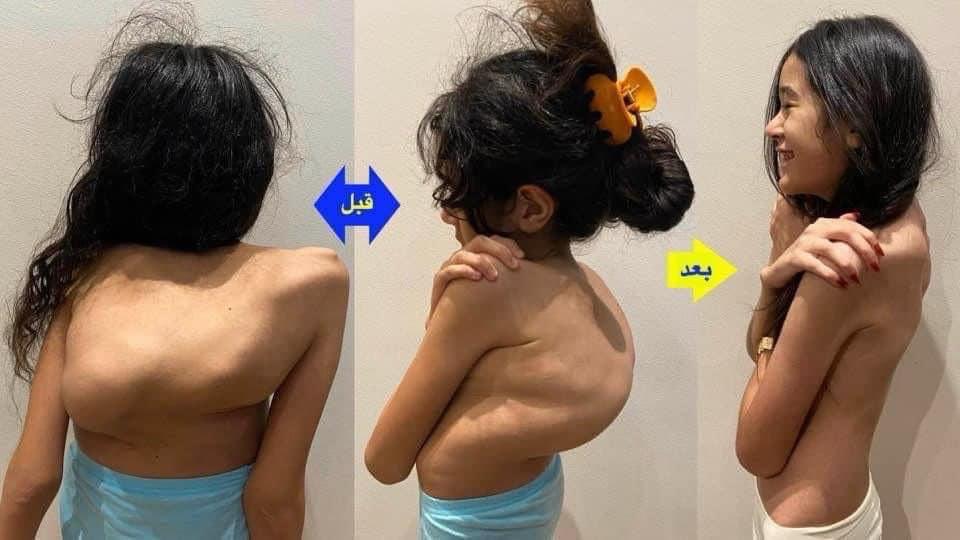
Kyphoscoliosis is a complex spinal deformity in which lateral curvature of the spine (scoliosis) occurs together with an increased forward curvature of the upper back (kyphosis) at the same time.
This condition results in a three-dimensional deformity of the spine, which can affect the shape of the back and overall body balance. In severe cases, it may lead to difficulties with movement or breathing due to the impact of the deformity on the rib cage.
The severity of kyphoscoliosis varies from one patient to another. It may be present at birth, develop during growth, or occur as a result of neurological or muscular conditions. Treatment depends on the degree of deformity, the patient’s age, and how much the condition affects overall body balance.
Thanks to significant advances in spinal deformity surgery, many of these complex cases can now be treated using advanced surgical techniques aimed at correcting the deformity and restoring the natural balance of the spine.
Types of Kyphosis Scoliosis
- Congenital
- Idiopathic
- Neuromuscular
- Postural
- Degenerative (Adult)
Present at birth due to abnormal vertebral development; may progress with growth.
Most common, especially in adolescents, with no clear cause; requires monitoring.
Associated with conditions like cerebral palsy; often more severe and progressive.
Mild and flexible, related to poor posture; usually improves without surgery.
Develops with aging due to disc and joint degeneration; may cause pain and imbalance.
Common Beliefs about Kyphosis Scoliosis
Kyphoscoliosis is a combined deformity involving sideways (scoliosis) and forward (kyphosis) curvature of the spine. It can occur in different forms, each with its own cause and progression:
- “It’s caused by poor posture.”
- Heavy school bags or phone use cause it.
- “It will improve on its own.”
- “Bracing or physiotherapy can fix all cases.”
- “Surgery is too dangerous.”
In most cases, kyphoscoliosis is a structural condition—not simply the result of bad posture.
These may affect posture, but they do not cause true spinal deformity.
Many curves, especially during growth, tend to progress over time if left untreated.
These may help in selected cases, but more advanced deformities often require surgical correction.
While spine surgery is complex, modern techniques and expertise have made it safe and highly effective in properly selected patients.