Varicocele embolization
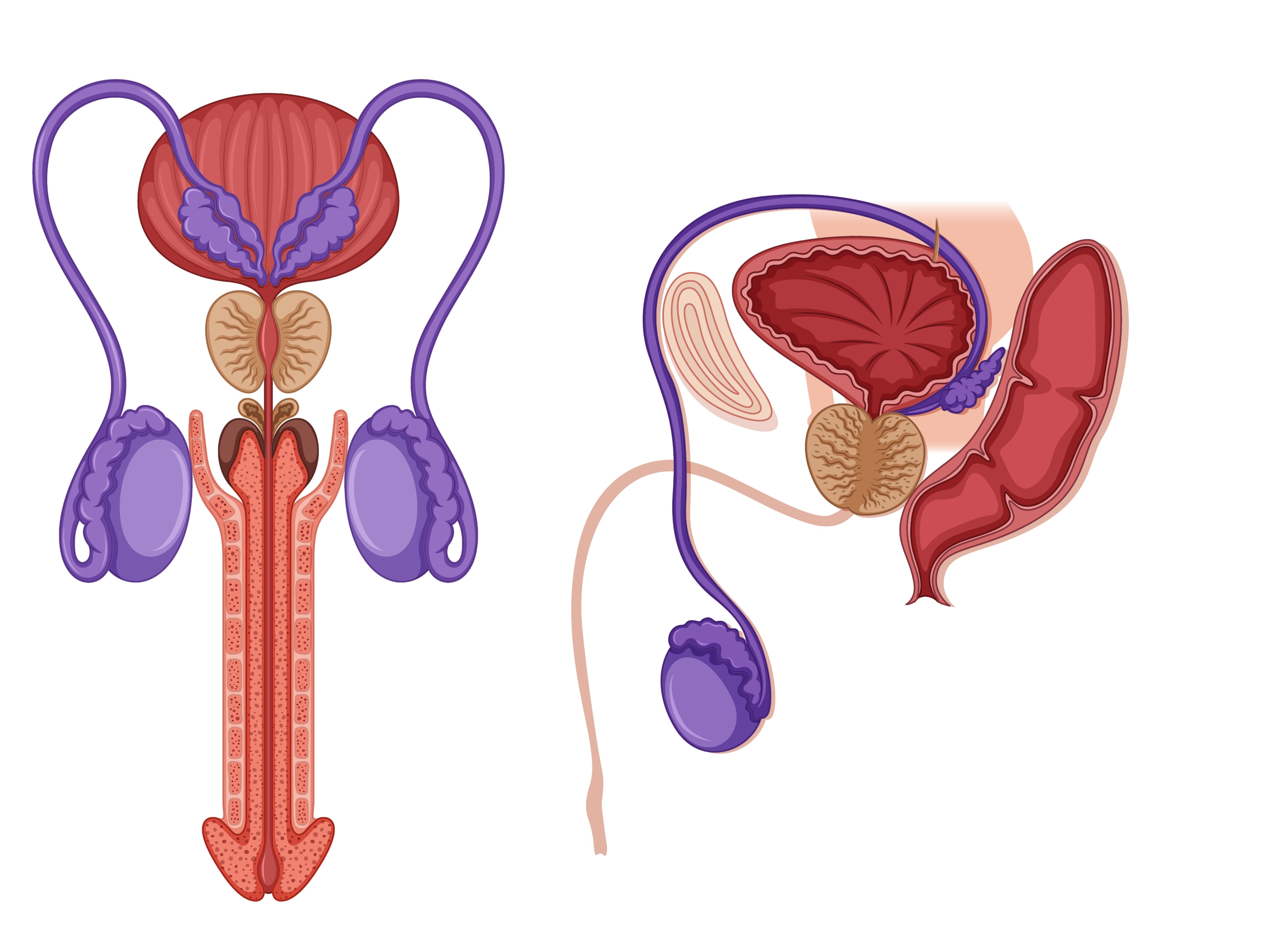
Varicocele affects about 15% of men and is a swelling of the veins around the testicle in the scrotum.
In most cases, varicocele occurs on the left side, and in rare instances, it occurs on both sides. Varicocele results from a malfunction in the valves of the testicular vein, causing blood to flow backward from top to bottom instead of the normal upward direction, leading to the swelling of the veins around the testicle.
Many men with varicocele experience no symptoms at all. In other cases, there may be testicular pain that worsens towards the end of the day or after prolonged standing. Varicocele can also affect sperm count or motility, potentially leading to infertility. Additionally, it can cause a decrease in the size of the affected testicle.
Varicoceles are diagnosed through clinical examination and can also be accurately diagnosed using ultrasound and Doppler, which can determine the size and grade of the varicocele and whether it is present on the left side only or on both sides.
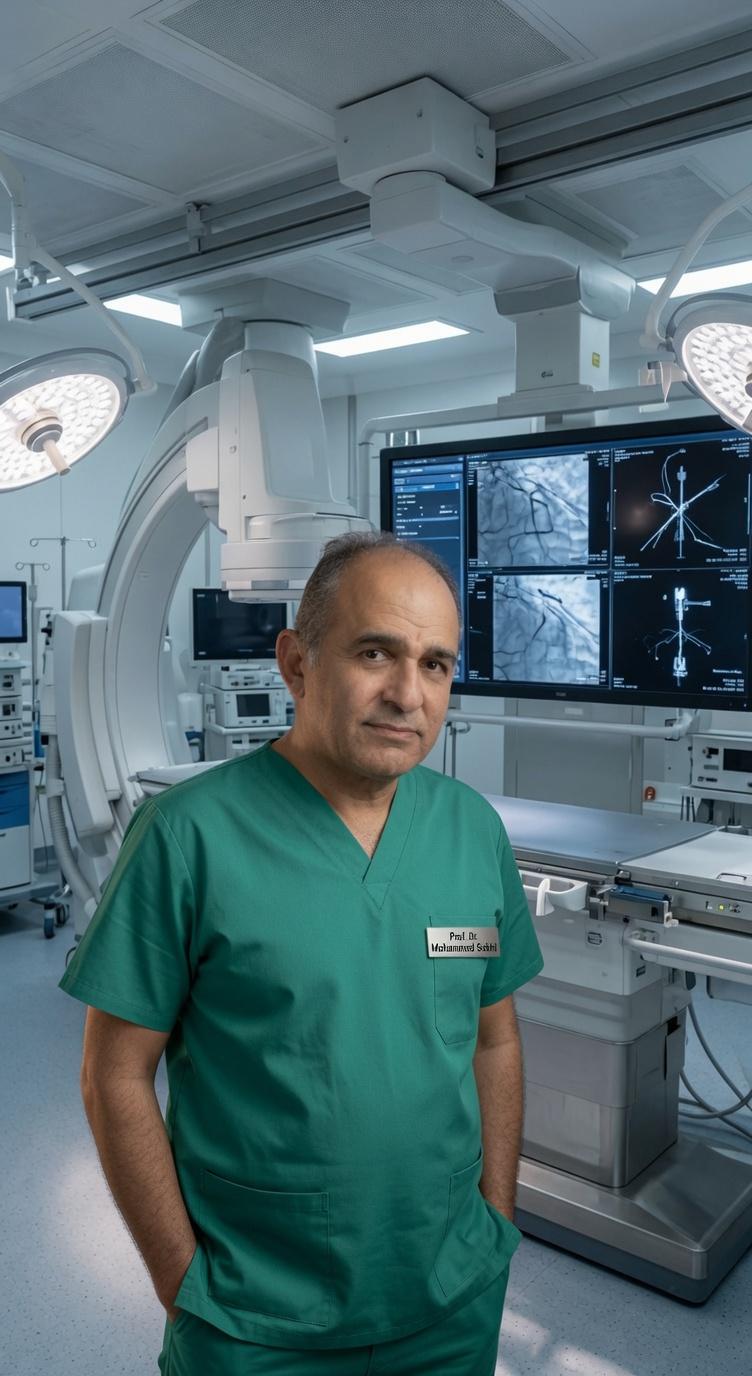
Varicoceles are treated by closing the testicular vein to prevent blood reflux. This can be done surgically or using interventional radiology. The interventional radiology treatment is characterized by a small incision, no larger than 2 mm, in the lower neck or upper thigh. A catheter is inserted through this incision to reach the testicular vein and close it using coils or other materials. Another advantage of interventional radiology is that it is performed under local anesthesia, and the patient can return home within two hours and resume normal activities immediately.
FAQS
There is no single direct cause of varicocele; it occurs as a result of a developmental or congenital defect in the valves.
Interventional radiology or surgery should be considered if there is delayed conception due to varicocele, which is diagnosed through semen analysis, or if there is severe testicular pain or testicular atrophy as a result of the varicocele.
Varicocele raises testicular temperature, which affects sperm production in the testicles.
When performing an ultrasound or Doppler scan after interventional radiology or surgery, there may still be slight dilation of the veins surrounding the testicle, but there is no reflux, and therefore the pain disappears. Semen analysis also improves in terms of sperm count and motility.
Interventional radiology treatment is performed through an incision no larger than 2 mm, thus eliminating the need for sutures. Furthermore, it is performed under local anesthesia, allowing the patient to resume their normal activities immediately after the procedure. In addition, interventional radiology treatment has a lower recurrence rate than surgery. This is because traditional surgery involves closing the vein at a specific point, allowing alternative veins to form around the closed section. However, interventional radiology treatment completely closes the vein from bottom to top, preventing the formation of alternative veins and significantly reducing the chance of varicose vein recurrence.