Embolization for pelvic congestion syndrome
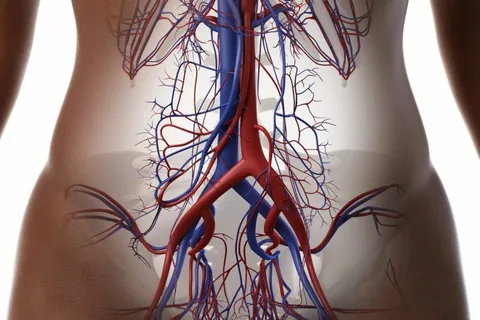
Varicose veins and pelvic congestion are enlarged veins in the pelvis, leading to blood pooling and congestion in women. This is a common cause of chronic pelvic pain, affecting many women and resulting in persistent pain in the pelvic area. The pain often worsens with prolonged standing or at the end of the day, and can be excruciating during menstruation and intercourse. Varicose veins can also cause varicose veins in the legs or reproductive organs. They are often misdiagnosed as irritable bowel syndrome or menstrual cramps.
Varicose veins are diagnosed using transvaginal color Doppler and CT scans of the abdominal and pelvic veins.
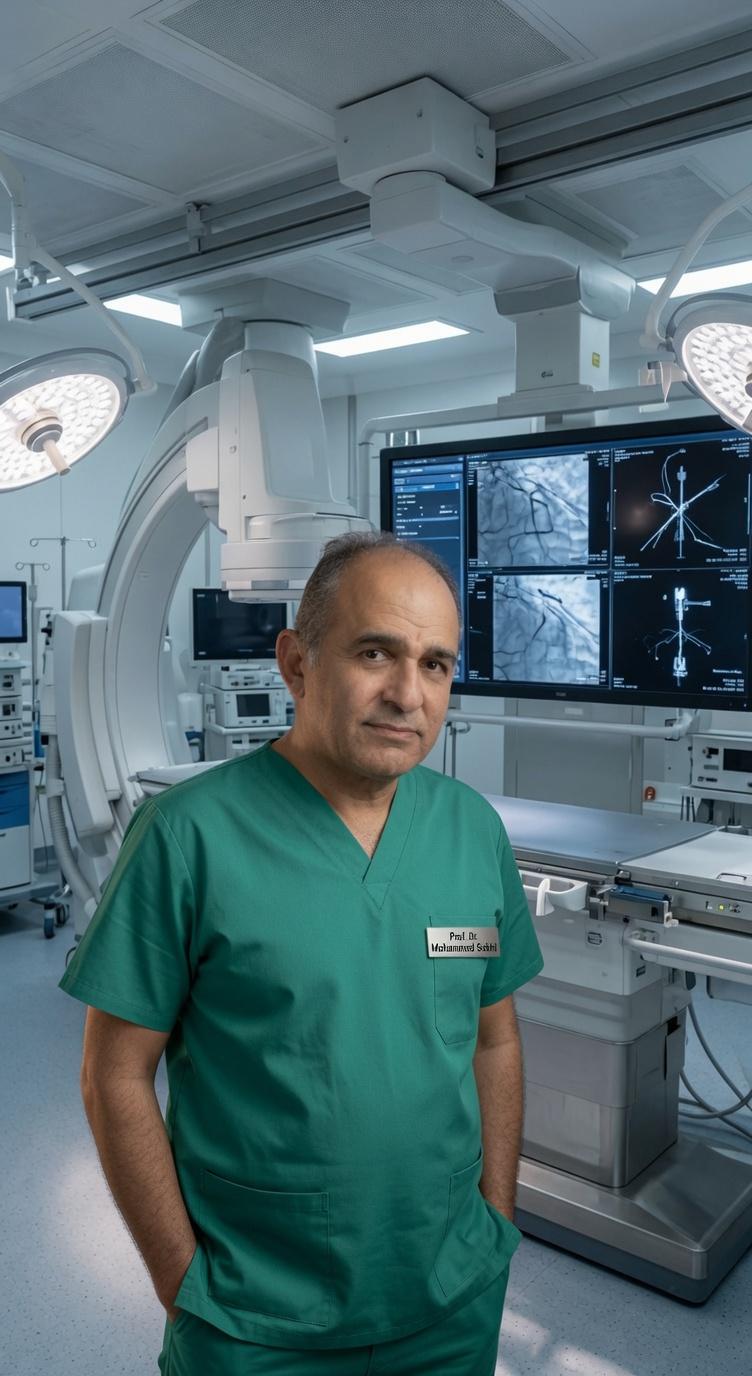
There is no traditional surgical treatment for pelvic varicose veins. Treatment is limited to interventional radiology procedures, which involve closing off the enlarged pelvic veins, thus relieving congestion and pain. This procedure is performed without surgery through a very small incision (like a needle prick). The damaged, dilated veins are closed using fine "metal coils" or medical adhesives to redirect blood flow to healthy pathways. This is done under local anesthesia with a quick return to normal life. The patient leaves the hospital or center on the same day and resumes her activities within 24 to 48 hours.
Frequently Asked Questions about Pelvic Varicose Veins:-
1. Will treating pelvic varicose veins with interventional radiology affect future pregnancies?
On the contrary, the procedure is very safe and does not affect fertility or the ability to conceive. In fact, relieving congestion and pain may improve the mother's overall health.
2. How can I tell if the pain I'm experiencing is pelvic varicose veins and not something else?
The characteristic sign is a feeling of heaviness in the pelvis that worsens with prolonged standing, intercourse, or before menstruation, and improves significantly when lying down with the legs elevated. This can be confirmed via transvaginal ultrasound (Doppler) or CT/MRI.
3. Is the procedure painful?
The procedure is performed under local anesthesia, so the patient does not feel any pain during the catheterization. Slight cramping may occur for a few hours after the procedure and can be managed with over-the-counter pain relievers.
4. Can varicose veins recur after catheterization?
The success rate in interventional radiology exceeds 90%, and the probability of recurrence is very low compared to traditional solutions, because the doctor closes the source of congestion directly under the guidance of the radiology.